All-in-One PDF & Docs Reader
- 3.7
- Rating
- 100.00K
- Installs
- Free
- Price
 Analysis by App-foxy
I approached All-in-One PDF & Docs Reader as the kind of productivity app that has to prove itself after the first few days. Opening a document once is easy; becoming the place I return to for reading and managing files is much harder. In my experience, this app makes a sensible first impression because it focuses on a familiar problem: keeping document reading in one practical workspace instead of jumping between unrelated tools.
It is a free productivity app from OCEAN FEATHER TECHNOLOGY INC, with an Everyone age rating and support starting from Android seven. The current release is version 1.0.8, and the app reached the store on August 27, 2025. Its average rating is 4.5 from around ninety ratings, while downloads have passed ten thousand. Those figures suggest an early but encouraging audience rather than a long-established standard, so I would judge it by how well it fits a repeated document routine rather than by popularity alone.
From a promising first week to a useful document habit
I think the move from a promising first week to a useful document habit depends less on learning the app than on deciding which files deserve a regular place in your routine. I’d start by routing only documents I expect to revisit through it, so the reader earns its place through a clear, repeatable task. That distinction leads naturally to what can keep the habit worthwhile over time.
You May Also Like

 Pandora - Music & Podcasts
Pandora’s Music Is Easy to Start, but Harder to Recover
Pandora’s strength is its low-effort path from a seed to a station. Its weak spot is how much confidence it asks you to place in connection, setup, and quiet recovery.

 8 Ball Pool
 Is Built on Rivalries, Rematches, and Routine
A close look at the rivalries, rematches, shared routines, and unanswered safety questions that turn a quick pool match into a persistent mobile community.

 Samsung Music
’s Quiet Strength Is Playing What You Already Own
Its reach comes less from spectacle than from dependable access to a personal library. That simplicity is both the app’s strongest retention engine and its ceiling.

 AccuWeather: Weather Radar
AccuWeather Review: A Quick, Clear Forecast for Everyday Decisions
For everyday plans, the best forecast is the one you can understand quickly. AccuWeather makes rain timing, radar, and local conditions easy to act on, with a few trade-offs.

 Hill Climb Racing
Why Hill Climb Racing Still Turns Crashes Into One More Run
A tiny car, a bumpy hill and one more upgrade: Hill Climb Racing keeps resurfacing because its simple chaos makes every near-miss feel personal.

 AliExpress - Shopping App
AliExpress Makes Global Shopping Feel Personal, but Shoppers Bear the Risk
AliExpress turns a global marketplace into a pocket-sized discovery engine. Its reach is useful, its shopping loop compelling, and its trade-offs easy to miss.
More From Our News Desk
View All News


Why the first sessions feel straightforward
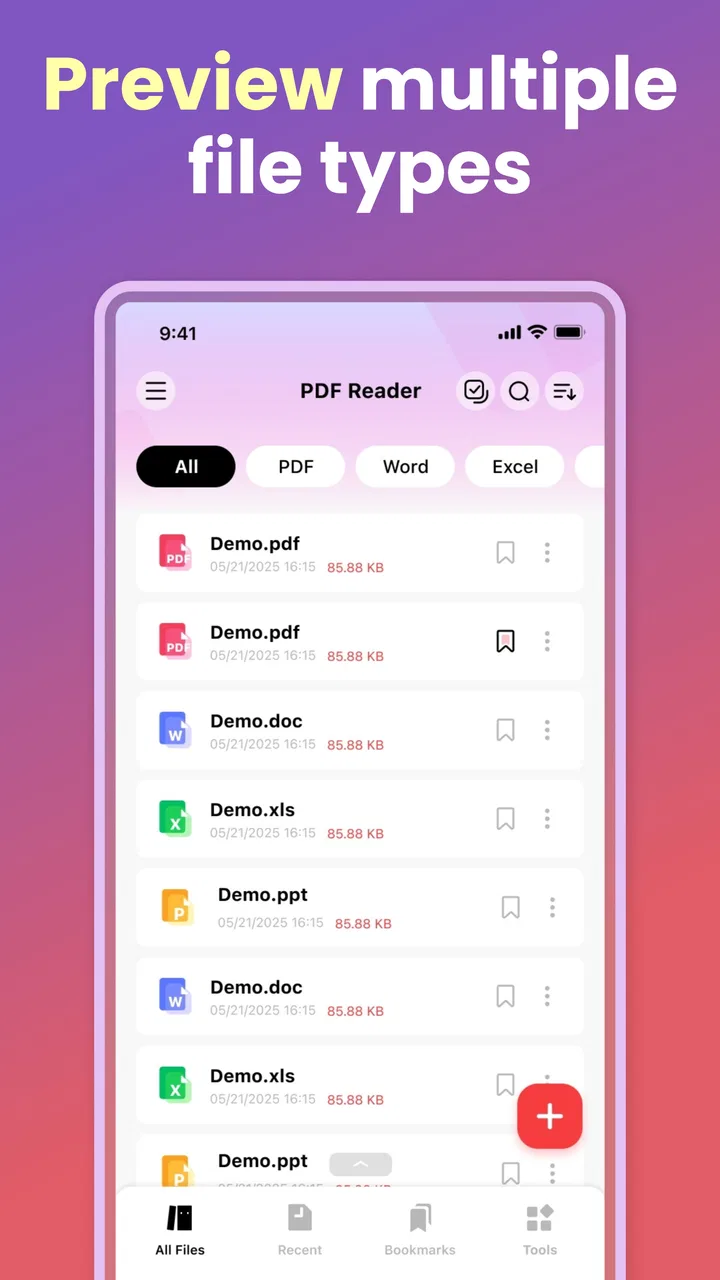
The main appeal is concentration. Instead of treating a PDF as an attachment that must be opened through whichever app happens to claim it, this reader gives document work a clear home. That matters when I am moving between study material, forms, receipts, manuals, or work files during the same day. The value is not excitement; it is reducing the small decisions that usually interrupt reading.
I found the strongest early use case in a simple workflow: open a document, read it without leaving the reading environment, then return later rather than searching through a messaging app or a crowded downloads folder. A dedicated reader feels more dependable than relying on a browser tab, especially when I want to read away from the original source. The app’s all-in-one positioning also makes sense for people who want document access and basic file organization to live together.
That convenience is particularly useful on a phone. Mobile document work is rarely about deep editing. More often, I need to check a page, follow instructions, review a form, or read a few sections while travelling. A focused reader suits those short sessions better than a full office suite that brings along many tools I do not need.
A realistic everyday scenario
Imagine receiving a PDF schedule in the morning, downloading a user manual at lunchtime, and opening a study handout in the evening. With a general file manager, each item may be mixed with images, compressed files, and old downloads. With a browser, the documents may remain tied to separate tabs or temporary locations. I would use this app as the middle layer: bring the files into one reading routine, deal with them when necessary, and return to the same document space later.
The important benefit is not that every document task becomes effortless. It is that the app can turn scattered, occasional reading into a repeatable habit. I can see why someone who regularly handles PDFs would keep it installed, while someone who opens a document only once every few months may not notice much difference.
Who gets the most from it immediately
I would recommend trying it first if you are a student reviewing course material, a renter keeping digital paperwork nearby, a freelancer checking client documents, or a family member who wants a less confusing way to read downloaded files. It is also a reasonable fit for people who dislike switching between a file manager, a browser, and a separate PDF viewer.
The free price lowers the risk of testing it. I can install it without committing money, build a small routine around it, and decide whether it actually replaces another reader. The Everyone rating also makes it approachable for a broad household audience, although ease of use still depends on how comfortable each person is with Android file handling.
Where the novelty starts to fade
The first-week appeal comes from order, not from a dramatic new way to read. Once the initial satisfaction of having a dedicated document app wears off, the question becomes whether it saves enough time to justify another icon, another place to check, and another habit to maintain. If I already have a dependable PDF viewer built into my phone and rarely manage documents, this app may feel like an extra layer rather than a meaningful improvement.
There is also a difference between reading and managing. A reader can make opening files pleasant, but management requires clear decisions about where documents belong, which copies matter, and what should be removed. The app can support that routine, but it cannot replace my own file discipline. I still need to avoid creating duplicate downloads and remember which version of a document is current.
What keeps it useful month after month
For me, month-to-month usefulness comes from whether the app still makes returning to everyday paperwork feel easier, not from simply accumulating more files in it. A quick check of what I actually reopen can help separate an active reference from a forgotten download, while also showing whether this reader is still the right home for those documents. The next question is how much upkeep that routine asks of me.
Recurring value comes from repeated document types
For long-term use, I would not judge this app by how well it handles one impressive document. I would judge it by recurring categories: bills, school notes, travel information, instructions, work references, and forms. If the same kinds of files pass through my phone every week, having one familiar reading and management point becomes increasingly worthwhile.
A useful tactic is to make the app part of a specific trigger. For example, whenever I download a PDF that I expect to consult again, I open it through this reader immediately instead of leaving it buried in a general downloads area. That small rule creates more lasting value than simply installing the app and hoping I remember it exists.
Another practical workflow is separating temporary reading from documents I need to retain. I would review a file first, decide whether it belongs in my ongoing collection, and remove or ignore the rest. This prevents the app from becoming another digital drawer filled with documents I no longer need. The insight is easy to miss: a document manager is most helpful when I make a decision at the moment of reading.
How it compares with familiar alternatives
A phone’s built-in file manager is usually better for broad storage tasks. It handles many file types and gives a general view of device folders, but it may not feel designed around sustained document reading. I would choose the file manager when I need to move, rename, or locate files across different folders, and choose this app when the main goal is to read and keep documents within a more focused workflow.
A browser is convenient when a document is still online or attached to a webpage. It is less attractive once I need repeated access, because the file can become mixed with browsing history, tabs, or downloads. This reader makes more sense after the document has become something I want to revisit rather than something I am merely viewing once.
A full office suite is the stronger choice when I need substantial creation, editing, spreadsheets, collaboration, or presentation work. I would not install a document reader expecting it to replace that kind of software. Its advantage is narrower and clearer: reading and managing documents without the weight of a broad productivity package.
Dedicated PDF tools may still be preferable for users who need advanced annotation, form workflows, signing, conversion, or professional document processing. I would choose a specialist tool when one of those tasks is central. I would choose this app when I want a simpler general reader and do not want every document session to feel like a full production job.
Small habits that reveal its real value
My first tip is to use it as a review checkpoint rather than a passive storage box. After opening a document, I ask whether I will need it again, whether it is a duplicate, and whether it belongs with a particular ongoing task. This turns reading into lightweight maintenance and keeps the collection useful over time.
My second tip is to test it with the documents I actually encounter, not just a clean sample file. A short handout, a long reference document, a scanned form, and a file received through a messaging app can expose different kinds of friction. The app’s usefulness depends on how well it fits those real sources, not on how pleasant one carefully chosen PDF feels.
My third tip is to build a return habit around a predictable moment, such as checking documents before a weekly appointment or reviewing saved material before study time. A reader earns permanent space when it becomes associated with a task I already perform. Without that connection, even a capable app can disappear into the app drawer.
Questions I would ask before keeping it installed
Will it replace my current reader? For some people, yes, especially if the existing setup is scattered or inconvenient. For others, it will work better as a dedicated option for documents that need repeated attention. I would not force a complete switch immediately; I would compare the two during a normal week and keep the one that requires fewer steps.
Is it suitable for everyone in the household? The free cost and Everyone rating make it easy to try, but different users want different levels of control. A casual reader may appreciate a focused experience, while someone who manages complex folders or edits documents may quickly prefer a broader file or office tool.
Does the app remove the need for document organization? No. It can make access more coherent, but I still need to decide what to keep and how to avoid duplicates. That is not a flaw unique to this app; it is the unavoidable trade-off of managing personal files on a phone. The app helps most when I pair it with a simple retention rule.
Maintenance, fatigue, and the long-term decision
I’d weigh the long-term decision by looking at both sides of the routine: whether a dedicated reading space saves enough searching to justify maintaining it, and whether I keep having to leave it for tasks beyond reading and basic management. That balance matters more than the appeal of a new app, especially when another tool already fits my habits. It sets up a practical look at maintenance, fatigue, and when to move on.
The maintenance burden is modest but real
The main upkeep is not technical complexity; it is collection hygiene. If I continually open documents without deciding what matters, the reader can become crowded and less helpful. A short cleanup session from time to time is enough for my needs: remove files that served their purpose, keep the documents tied to active responsibilities, and avoid saving multiple copies without a reason.
That maintenance is easier when I treat the app as a working shelf rather than permanent storage. Important originals may belong in a more deliberate backup system, while this app serves as the convenient place for current reading. That distinction protects me from expecting one mobile reader to solve every storage and preservation problem.
Where fatigue can appear
The first source of fatigue is duplication. If a document remains in the browser, downloads folder, messaging thread, and reader, the app has not simplified anything by itself. I need to choose a primary place for active reading. The second source is switching: if I regularly need editing, signing, conversion, or other specialist actions, leaving the reader for another app may interrupt the very flow I wanted to improve.
The third is expectation. “All-in-one” sounds broad, but I would interpret it here as a convenient document reading and management center, not as a replacement for every office or PDF utility. Keeping that expectation realistic makes the app easier to appreciate. I would be disappointed if I expected a complete professional document workstation; I would be satisfied if I wanted a practical reader that helps me keep everyday files together.
Who should skip it
I would skip it if I almost never read documents on my phone, if my existing viewer already handles everything comfortably, or if my work depends on advanced PDF operations. I would also look elsewhere if my priority is collaborative editing or building a complex document archive. In those situations, a file manager, office suite, cloud workflow, or specialist PDF product may be a better match.
I would also avoid adding it merely because the category sounds useful. Productivity apps earn their place through repetition. If I do not have a recurring document problem, installing another reader can create more choice without creating more efficiency.
My long-term verdict
After the novelty fades, All-in-One PDF & Docs Reader remains most convincing as a focused everyday companion rather than an all-purpose replacement for every document tool. Its free access makes experimentation sensible, and its early rating and growing install base show that it has already attracted meaningful interest. The developer, OCEAN FEATHER TECHNOLOGY INC, has positioned it around a clear need: bringing document reading and management closer together.
I would keep it installed if I regularly receive PDFs, revisit reference material, or want a cleaner routine than opening files wherever they happen to appear. The lasting benefit comes from using it as a checkpoint for active documents and pairing it with simple cleanup habits. That is a more durable reason to keep it than the initial convenience of seeing a new reader on my phone.
My recommendation is therefore selective but positive. Try it if scattered document reading is a real annoyance, and give it a normal week of varied files rather than a single test. Keep it when it reduces repeated searching and makes returning to documents feel natural. If your needs are advanced, highly collaborative, or very infrequent, another category of tool will serve you better. For ordinary Android users who want a free, focused place for PDF and document routines, this is a practical app worth giving a fair trial.
FAQs for All-in-One PDF & Docs Reader
01What features does the All-in-One PDF & Docs Reader offer?
The All-in-One PDF & Docs Reader provides a wide array of features, including the ability to view, annotate, and edit PDFs and various document types. It supports multiple file formats like DOCX, XLSX, and PPTX. Users can also highlight text, add comments, and fill out forms directly within the app.
02Is the All-in-One PDF & Docs Reader compatible with both Android and iOS devices?
Yes, the app is designed to be compatible with both Android and iOS platforms. This ensures that users can enjoy seamless document handling and viewing across different devices, making it highly versatile for those who switch between operating systems frequently.
03Does the app require an internet connection to function?
The All-in-One PDF & Docs Reader primarily works offline, allowing users to view and edit documents without an internet connection. However, certain features like cloud synchronization and online document sharing will require connectivity to function effectively.
04Are there any in-app purchases or subscription fees associated with the app?
While the All-in-One PDF & Docs Reader offers a free version with basic features, there are premium features available through in-app purchases or subscription plans. These may include advanced editing tools, cloud storage integration, and ad-free experiences.
05How secure is the All-in-One PDF & Docs Reader for handling sensitive documents?
The app prioritizes user security by incorporating encryption for document storage and sharing. It also offers password protection for sensitive files. However, users should ensure they follow best practices for mobile security to protect their data further.
Pros
- Supports multiple file formats seamlessly.
- User-friendly interface with quick navigation.
- Offline access to recently opened documents.
- Integrated cloud storage options available.
- Efficient search functionality across documents.
Cons
- Limited annotation tools for PDFs.
- Ads can be intrusive in free version.
- Occasional lag with large files.
- No dark mode option available.
- Limited customization settings for users.

All-in-One PDF & Docs Reader
Gallery